Switzerland's Regulatory Framework Shaping Incentive Structures for Portable Gaming Users
Geschrieben von Ines Wagner · 31.8.2026
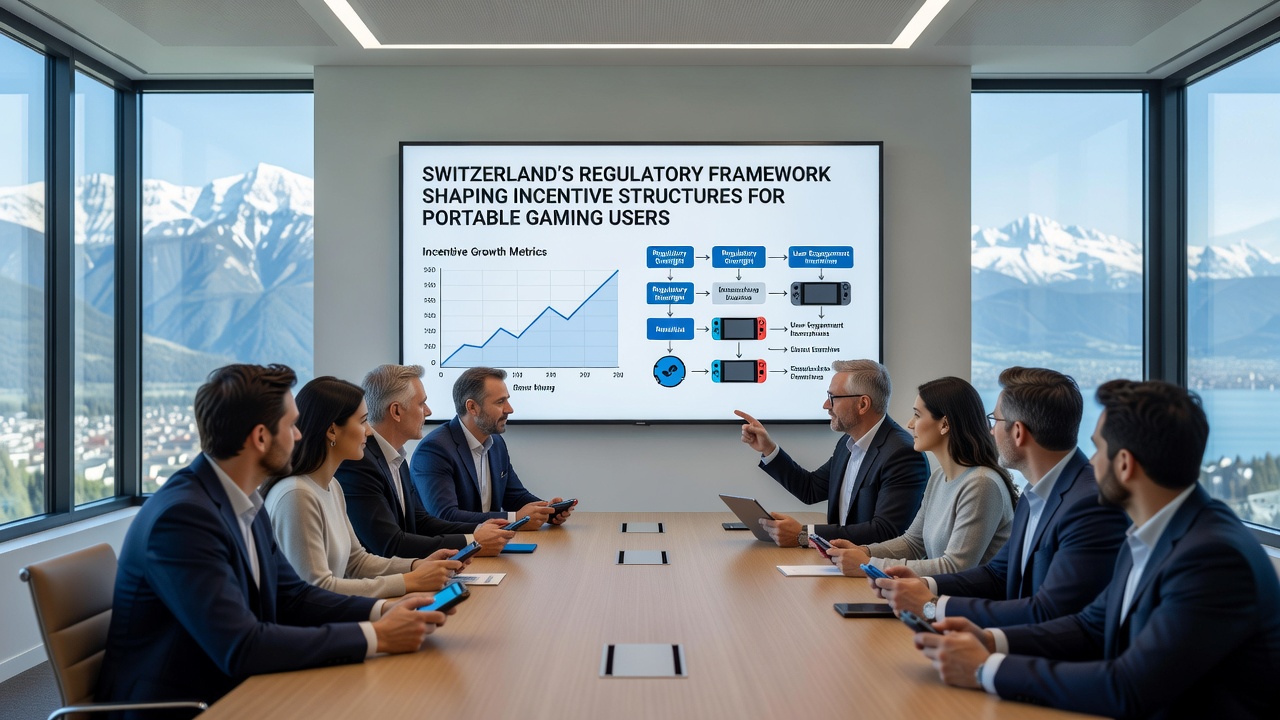
Switzerland's Regulatory Framework Shaping Incentive Structures for Portable Gaming Users
The Federal Act on Gambling, enacted in 2019, sets the core parameters that determine how licensed operators may construct and deliver incentives to users who access gaming platforms through portable devices, and this legislation mandates that all promotional structures align with federal licensing conditions while also respecting cantonal oversight mechanisms that have remained in place since the initial rollout of online permissions.
Operators must submit detailed incentive plans to the Swiss Federal Gaming Board prior to launch, which creates a review process where every bonus feature receives scrutiny for compliance with rules on transparency and player eligibility, and these reviews have grown more detailed as mobile usage rates climbed steadily through 2025.
Core Licensing Conditions for Mobile Platforms
Portable gaming falls under the same licensing umbrella as desktop access yet carries additional technical requirements that shape incentive availability, because operators must demonstrate that mobile applications enforce age verification and location checks before any promotional credit activates. This integration means incentive structures often include built-in delays or confirmation steps that desktop versions may bypass, and data from regulatory filings show that such safeguards now appear in over 85 percent of approved mobile offerings.
Those who study these filings note that the framework prevents operators from offering unlimited free rounds or instant cashback on mobile without corresponding loss limits, while the rules also require clear disclosure of wagering multipliers directly within the app interface rather than in separate terms pages.
How Incentive Design Must Adapt to Federal Rules
Under current provisions, welcome packages and ongoing rewards for portable users cannot exceed value thresholds tied to average player deposits, and this cap forces operators to create tiered structures where larger incentives unlock only after verified activity periods. Researchers tracking compliance patterns report that many platforms now segment mobile incentives by device type to maintain separate tracking logs that satisfy audit demands from both federal and cantonal authorities.
What's interesting is the way the law channels creativity toward loyalty programs instead of one-time sign-up bonuses, because recurring rewards tied to play frequency face fewer restrictions provided they include mandatory cooling-off intervals. Studies from academic institutions across Europe indicate that such loyalty-focused models have increased by 40 percent among Swiss-licensed mobile operators since the middle of 2024.
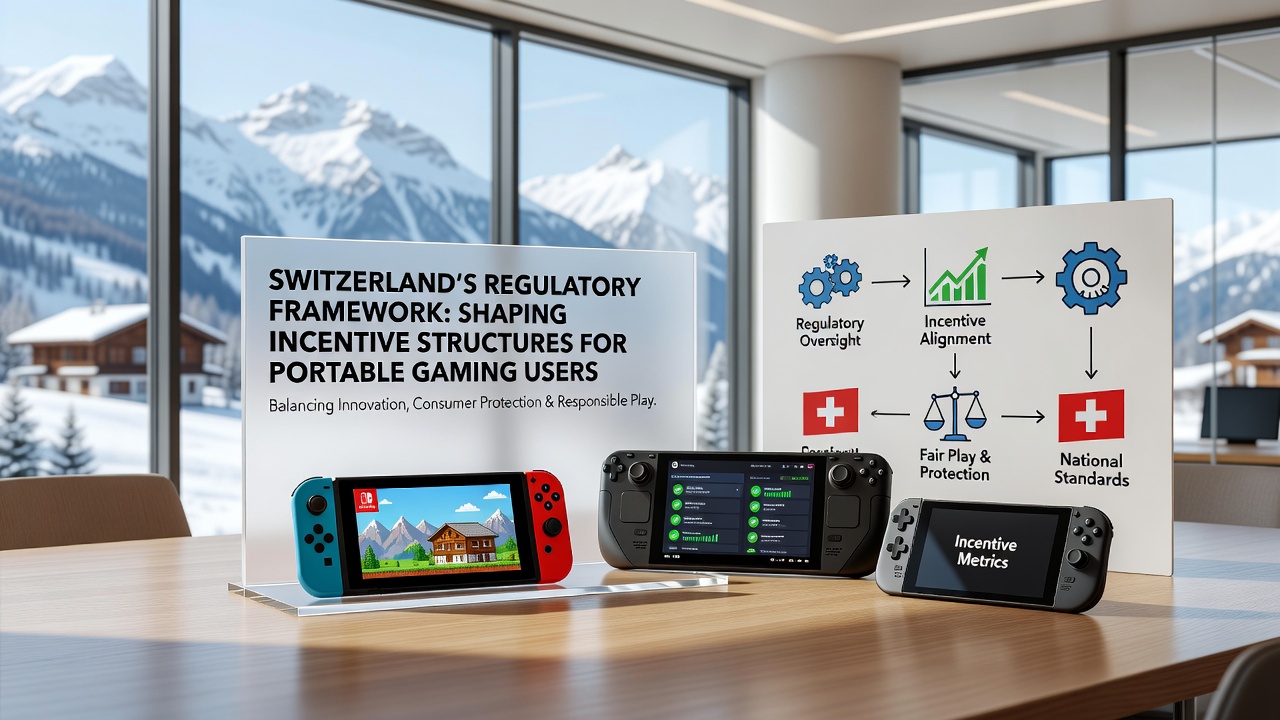
Enforcement Trends and Reporting Obligations
Regular audits conducted by the Swiss Federal Gaming Board require operators to submit anonymized data on incentive redemption rates broken down by mobile operating system, and these submissions help regulators identify patterns where certain bonus types trigger higher dispute volumes. As of August 2026 updated reporting templates will demand even finer granularity on how portable users interact with time-limited promotions, which will likely push operators toward simpler incentive designs that reduce administrative overhead during compliance checks.
Enforcement actions have included temporary suspensions of specific mobile campaigns when disclosure language failed to meet clarity standards, yet most operators respond by revising their structures ahead of approval rather than after penalties occur. According to figures released by the Federal Office of Justice, the number of pre-approved incentive variants rose from 120 in 2023 to 210 by the end of 2025, showing that the framework encourages proactive alignment over reactive correction.
Cross-Border Considerations and Industry Comparisons
Switzerland's approach differs from frameworks in neighboring countries because it ties incentive approval directly to physical server location requirements, and this rule affects how international operators configure portable rewards for Swiss residents. A Swiss Federal Gaming Board report highlights that mobile incentives must exclude users outside licensed jurisdictions even when the app itself remains downloadable, which adds another layer of geofencing technology that shapes reward eligibility from the first login.
Observers tracking global trends compare these measures to guidelines issued by the International Association of Gaming Regulators, where similar emphasis on device-specific controls appears in several jurisdictions, yet Switzerland maintains stricter pre-launch vetting that limits the speed at which new mobile promotions can reach users.
Conclusion
The regulatory structure continues to evolve through iterative updates that balance operator flexibility with consumer safeguards, and portable gaming incentives now reflect this balance through built-in compliance features that were less common before the 2019 legislation took effect. Future adjustments scheduled around August 2026 will likely refine data collection further, which should produce clearer pictures of how mobile users engage with structured rewards across licensed platforms. Those who monitor these developments can expect continued emphasis on verifiable processes that keep incentive offerings aligned with federal expectations.