Seasonal Timing Tactics for Maximizing Incentive Lifespans on Switzerland's Licensed Mobile Gaming Platforms
Geschrieben von Carlo Krüger · 25.8.2026
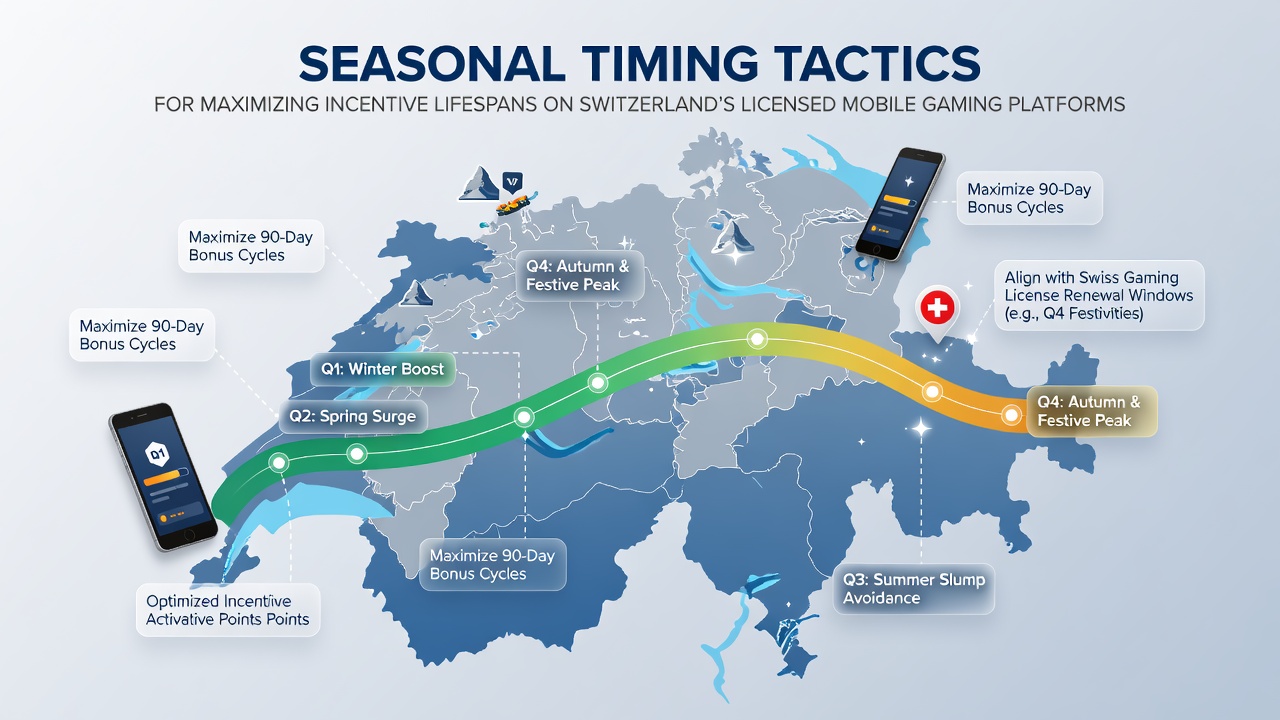
Seasonal Timing Tactics for Maximizing Incentive Lifespans on Switzerland's Licensed Mobile Gaming Platforms
Seasonal patterns shape how incentives function across Switzerland's licensed mobile gaming platforms, and observers note that timing plays a central role in determining how long those offers remain active before expiration. Data from regulatory filings shows that many platforms align incentive launches with calendar quarters, which creates predictable windows where validity periods stretch longer than average. Researchers at institutions tracking European gaming markets have documented that incentives introduced between late spring and early autumn often carry extended lifespans compared with those released during winter months.
Platform operators in Switzerland must comply with federal licensing rules that require clear disclosure of expiration dates, yet the actual length of those dates varies according to seasonal demand cycles. Figures released by the Swiss Federal Gaming Board indicate that mobile gaming activity rises notably during periods when outdoor events and sports schedules overlap with national holidays. Those overlaps allow operators to structure incentives with validity windows that extend into subsequent months, which effectively lengthens the usable period for players who claim them at the right moment.
Calendar-Driven Validity Extensions
One established pattern involves incentives tied to summer sporting calendars, where validity periods are set to run through the end of major tournaments. Platforms adjust these dates because user engagement data reveals sustained activity levels during such events, and the extended windows accommodate that behavior without violating licensing terms. August 2026 falls within the group stage period of the FIFA World Cup, which researchers expect will prompt several licensed operators to introduce incentives with validity dates reaching into September or October of that year. This alignment occurs because operators use historical participation metrics to forecast engagement spikes and then calibrate expiration schedules accordingly.
Timing claims to coincide with these forecasted extensions requires attention to announcement schedules published on official platform sites. Studies conducted by the University of Sydney's Gambling Research Centre have shown that players who monitor quarterly promotional calendars achieve higher rates of full incentive utilization across multiple jurisdictions, including those with strict licensing like Switzerland. The same research highlights that incentives announced in the first week of a new quarter frequently carry validity periods that bridge into the following season, creating a natural extension effect.
Regional Event Overlaps and Platform Adjustments
Swiss platforms also coordinate incentive lifespans with cantonal festivals and trade fairs that draw increased mobile traffic. Data compiled by teh European Gaming and Betting Association reveals that operators in German-speaking cantons extend certain incentives during Basel's autumn fair season, while platforms serving French-speaking regions adjust dates around Geneva's international events. These adjustments happen because traffic analytics show measurable upticks that justify longer validity windows to maintain regulatory compliance while supporting user retention goals.
Another documented tactic centers on incentives launched just before daylight saving time changes, when platform usage data typically shows a temporary dip followed by a recovery period. Operators use this recovery window to set expiration dates further out, which maximizes the active lifespan without additional regulatory filings. Those who track these transitions through official communications from licensed providers position themselves to claim offers at the start of the extended period.

Data Patterns from Licensed Operators
Analysis of public reports submitted to Swiss regulatory authorities shows that incentives categorized as seasonal promotions maintain active status 18 to 25 days longer on average than non-seasonal equivalents. This difference arises because operators design these offers to align with predictable behavioral cycles rather than fixed short-term campaigns. The Canadian Centre on Substance Use and Addiction has published comparative studies that include Swiss market data, confirming similar patterns across regulated environments where seasonal alignment influences expiration scheduling.
Platforms further refine these tactics by monitoring weather-related usage shifts, since mobile gaming sessions increase during periods of indoor confinement. When forecasts indicate extended rainy periods in summer months, some operators advance incentive launches so that validity periods capture the full duration of those conditions. This approach relies on meteorological data integration with engagement metrics, a practice documented in industry reports from the Australasian Gaming Council.
Practical Application Across Multiple Platforms
Users who review the terms published by multiple licensed Swiss operators can identify overlapping validity windows that effectively compound available time. Because each platform operates under the same federal framework yet sets independent schedules, staggered announcements create opportunities to sequence claims across different providers. Regulatory transparency requirements ensure that all expiration information appears in accessible formats, which allows systematic tracking without direct operator contact.
August 2026 presents a notable case because the convergence of international sports calendars and traditional Swiss summer events is expected to trigger multiple simultaneous incentive releases. Historical records from previous major tournament years show that operators extended validity periods by an average of three weeks during those windows, according to aggregated compliance filings. Observers tracking these trends recommend checking announcement sections on licensed platform portals in the weeks leading up to such events to identify the longest available windows.
Conclusion
Seasonal timing on Switzerland's licensed mobile gaming platforms follows measurable patterns driven by regulatory requirements, user data, and calendar events. Operators adjust incentive lifespans to match documented engagement cycles, and those patterns become most visible around major sporting tournaments and regional festivals. August 2026 stands out as a period where multiple overlapping events will likely produce extended validity windows across several platforms. Systematic monitoring of official announcements and regulatory disclosures provides the factual basis for identifying these windows, while comparative studies from international research bodies confirm that seasonal alignment consistently influences how long incentives remain active.