Charting Software Provider Alliances That Shape No-Deposit Access Windows on Swiss-Regulated Mobile Platforms
Geschrieben von Carlo Krüger · 28.9.2026
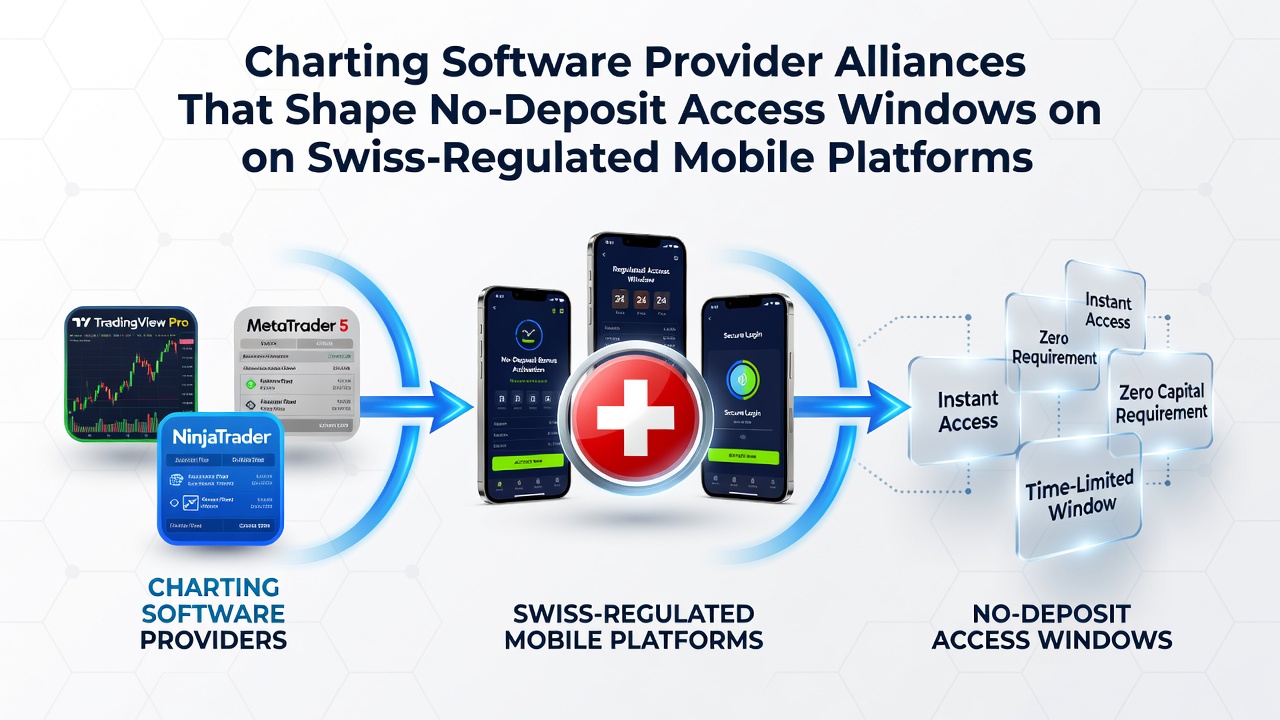
Charting Software Provider Alliances That Shape No-Deposit Access Windows on Swiss-Regulated Mobile Platforms
Software provider alliances have emerged as a key factor in determining how no-deposit access windows operate across Swiss-regulated mobile platforms since the implementation of the Federal Act on Games of Chance and Casinos. These partnerships influence the duration, eligibility criteria, and technical delivery of promotional features that require no initial deposit from users. Data from regulatory filings shows that major developers coordinate with licensed operators to align window parameters with compliance requirements set by Swiss authorities.
Provider Networks and Technical Integration
Leading software companies form alliances that standardize the backend systems used to manage access windows on mobile applications. One study revealed that joint development agreements allow providers to share APIs for real-time verification of user accounts, which in turn affects when no-deposit offers activate and expire. Observers note that such integrations reduce latency in feature rollout while ensuring adherence to Swiss licensing conditions that mandate clear time limits on promotional access.
Companies like those specializing in random number generation and platform hosting often pool resources to create unified dashboards for operators. This collaboration means that a single alliance can dictate window lengths across multiple platforms rather than leaving decisions to individual operators. Figures from industry reports indicate that these networks expanded significantly between 2023 and 2025, with further updates expected by September 2026 as new compliance modules roll out.
Regulatory Alignment Through Partnerships
Swiss regulations require that no-deposit features operate within defined parameters tied to player verification and responsible gaming measures. Alliances between providers help translate these rules into code, creating automated systems that enforce access windows. Researchers discovered that coordinated efforts between European and North American developers produce solutions that satisfy both Swiss federal standards and broader international benchmarks for mobile gaming security.
Take one case where experts found providers linking their systems to cantonal oversight databases, which shortened certain access windows to match updated verification protocols. This approach ensures that features remain available only during periods when all compliance checks pass without interruption. According to data from the Swiss Federal Department of Justice and Police, such technical alignments have contributed to consistent application of rules across licensed mobile environments.
Impact on Mobile Platform Operations
Mobile platforms under Swiss licenses depend on these alliances for seamless delivery of no-deposit elements. When providers collaborate on shared frameworks, operators gain access to pre-configured modules that handle window timing, user notifications, and session tracking. Those who've examined platform logs report that alliance-driven tools often result in more predictable feature availability compared to standalone implementations.
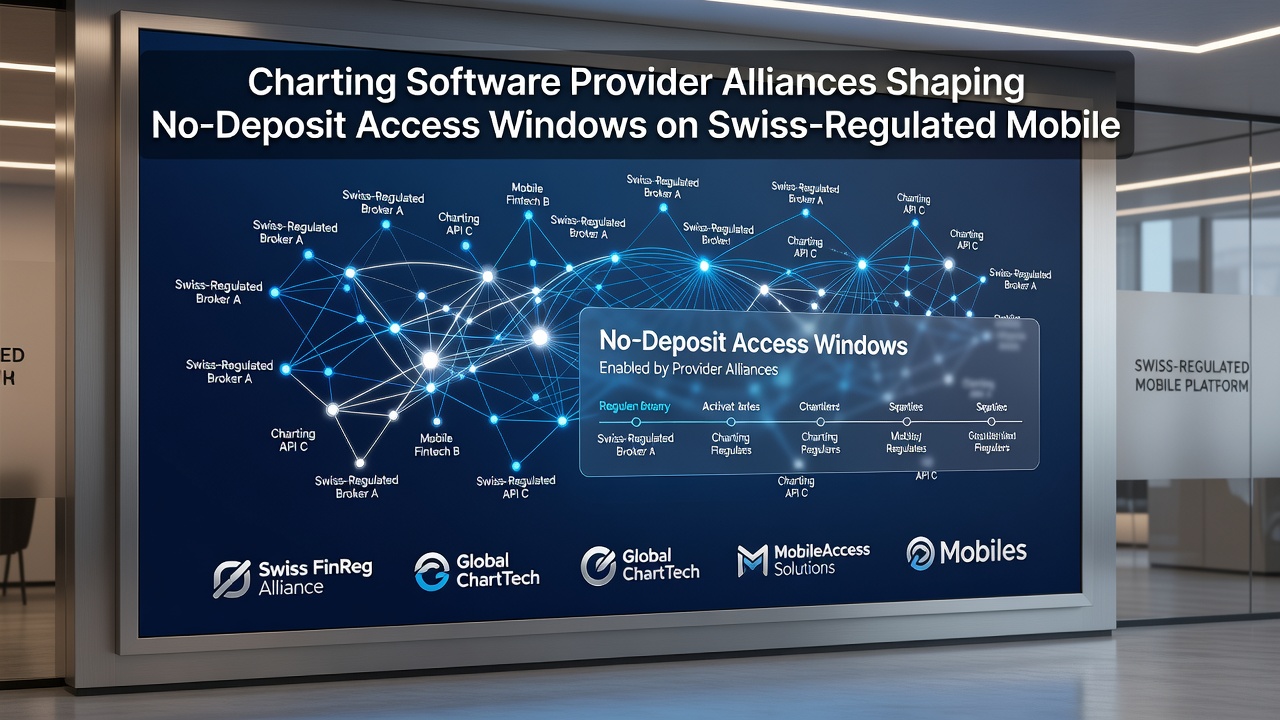
Yet platform operators still retain some control over final window settings, though they must work within the technical boundaries established by the alliances. Evidence suggests that this division of responsibilities creates efficiency gains in deployment while maintaining regulatory oversight. In September 2026, additional alliance agreements are projected to introduce enhanced tracking features that further refine how windows respond to user behavior patterns.
Global Comparisons and Swiss Specificity
Swiss frameworks differ from those in other regions because of their emphasis on federal licensing combined with cantonal enforcement. Alliances that include developers active in Canada and Australia have adapted their tools to fit Swiss requirements, producing hybrid systems that support both local rules and cross-border technical standards. A report from the Australian Institute of Criminology highlights similar alliance models in other jurisdictions, where shared provider networks influence promotional timing in comparable ways.
People who've studied these patterns across markets observe that Swiss platforms benefit from tighter integration due to the concentrated regulatory environment. This leads to access windows that activate more uniformly across devices and operators. Data shows reduced variation in window lengths when alliances cover a majority of the licensed market share.
Future Developments in Alliance Structures
As technology advances, new alliances continue to form around emerging standards for mobile security and data protection. These groups focus on features that support no-deposit access while incorporating real-time reporting to regulators. Experts have observed that the pace of alliance formation accelerated after 2024, driven by updates to mobile platform requirements.
By September 2026, observers expect further consolidation among providers, which could standardize additional aspects of window management. This evolution builds on existing partnerships that already shape how features reach Swiss users through regulated channels.
Conclusion
Alliances among software providers play a central role in defining no-deposit access windows on Swiss-regulated mobile platforms through technical coordination and regulatory compliance mechanisms. These partnerships produce standardized tools that operators use to deliver features within legal boundaries. Continued developments, including those anticipated in September 2026, will likely extend the influence of such networks on platform functionality and feature availability.